In today's vibrant public spaces, outdoor flags serve as vibrant symbols of identity, pride, and celebration. However, their exposure to the elements can lead to significant deterioration over time, impacting their visual appeal and longevity. This is particularly true for Stars and Bars Flags, which often face harsh weather conditions and varying light exposure. The challenge is clear: how to ensure these flags remain vibrant and durable, especially for extended outdoor display?
The solution lies in understanding the interplay of materials, production methods, and care practices. By exploring innovative flag production techniques, cost-effective materials, and tailored maintenance strategies, we can significantly enhance the durability of Stars and Bars Flags, ensuring they remain a powerful visual statement for years to come. This article examines the key factors and offers practical insights to meet this challenge.
- Understanding Flag Material: Choosing Durability
- Care and Maintenance: Prolonging Stars and Bars Flags
- Installation Techniques for Outdoor Flags
- Weatherproofing: Protecting Your Flag Display
- Regular Inspection: Identifying and Repairing Damage
Understanding Flag Material: Choosing Durability
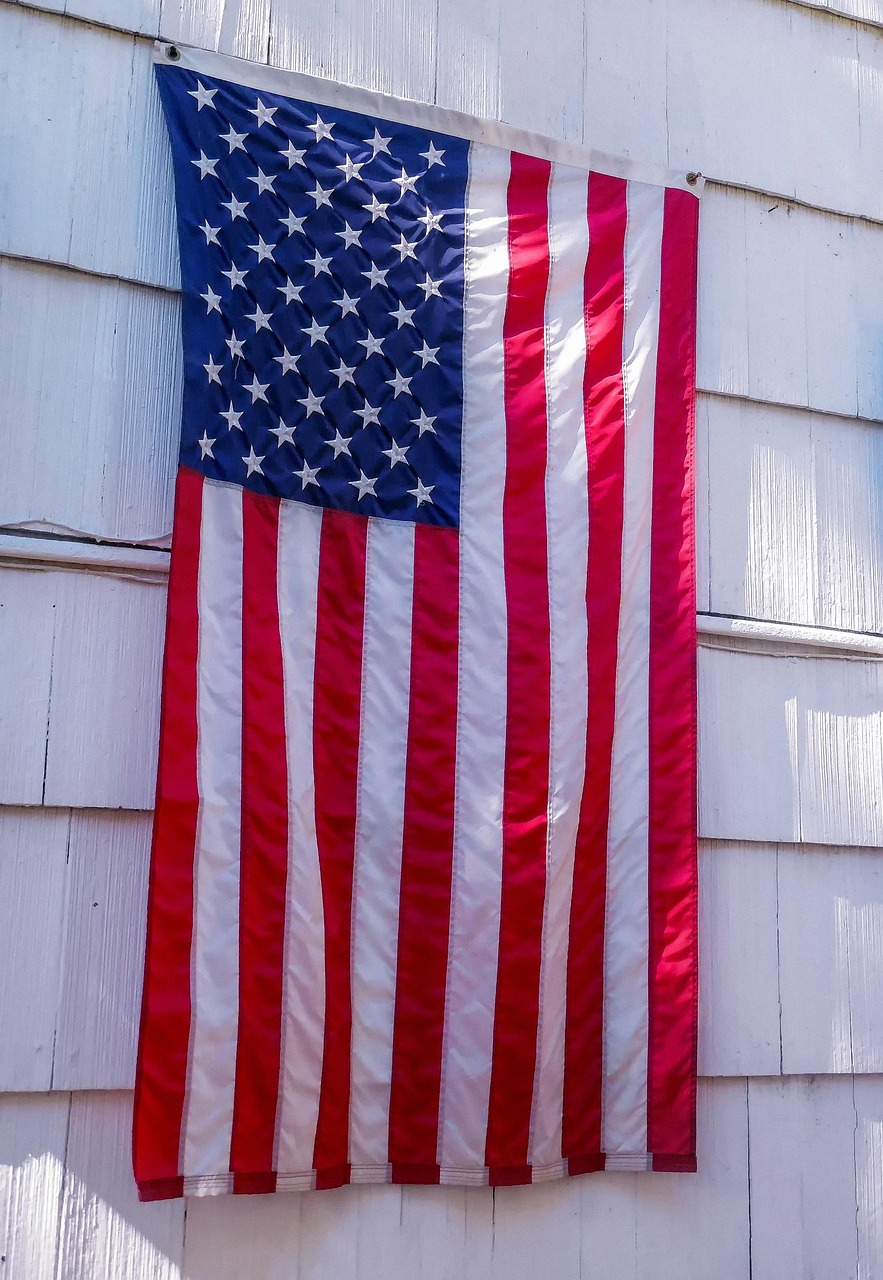
For outdoor flags, durability is paramount. For stars and bars flags, specifically, the right material choice is crucial to ensure these iconic banners withstand the elements and remain vibrant and intact for years to come. These flags, with their distinct star and stripe design, often serve as symbols of pride and patriotism, making their longevity all the more important.
Polyester and nylon are the most common materials used for flags designed for outdoor use. Both offer excellent durability, but they have distinct characteristics. Polyester is known for its fade resistance, a significant factor when displaying flags year-round. It's also wrinkle-resistant, making it easy to store and display. Nylon, on the other hand, is renowned for its strength and wind resistance. It's a popular choice for flags that will be flown frequently and in high-wind conditions. When considering a flag supplier like Ultimate Flags, ask about the material's thickness, weave, and finishing to ensure it meets your durability needs.
A star and bars flag history lesson reveals that these flags have been flown proudly for centuries, often made from durable fabrics like cotton and wool. Today, advancements in synthetic materials have further enhanced their longevity. Utilizing a flag design software for custom stars allows for intricate patterns and precise detail, while also optimizing the material usage. This balance of aesthetics and durability is essential for outdoor flags that are expected to last. Remember, the right material choice isn't just about the initial display, but also the long-term preservation of your stars and bars flag's integrity.
Care and Maintenance: Prolonging Stars and Bars Flags
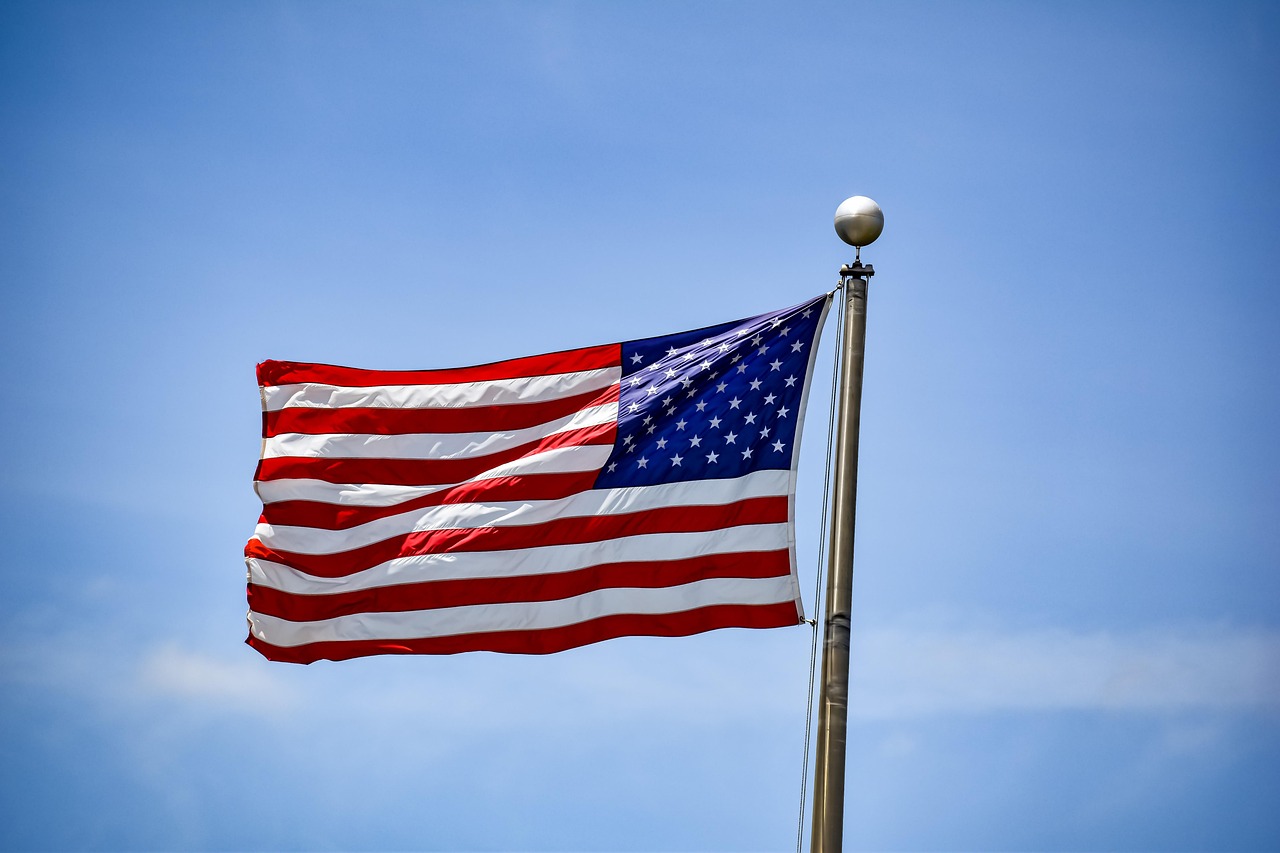
Extending the lifespan of outdoor Flags requires a multifaceted approach to care and maintenance. While these flags are designed to withstand the elements, their durability varies based on materials and care practices. In the USA, where flag production is a cherished art, flags made with premium materials like polyester and nylon offer superior resistance to weathering and fading. When choosing flags, opt for those from reputable online flag stores like Ultimate Flags; their high-quality construction ensures longevity, even when displayed outdoors.
Regular cleaning is crucial for maintaining Flags' appearance and integrity. For vintage stars and stripes prints, which often hold sentimental value, consider a gentle cleaning approach. Using a soft brush or cloth, gently remove dust and debris. Avoid aggressive scrubbing, which could damage the fabric. Online flag design software can be a valuable tool for creating custom flags while preserving historical aesthetics. This software allows for precise control over design elements, ensuring your flag not only looks great but also withstands the outdoor elements.
Flag size and placement also significantly impact their durability. Larger flags are more prone to damage from wind and weather. When hanging outdoor flags, consider the space available and choose a size that balances visibility and strength. Proper flag placement involves mounting them at a height where they receive adequate airflow, preventing excessive wear from wind and rain. Positioning them away from direct sunlight, especially during the hottest parts of the day, can significantly prolong their lifespan.
Lastly, understanding the flag's construction and using appropriate storage methods when not in use are vital. Flags made with thicker, high-quality materials will naturally last longer. Storing them in a cool, dry place, rolled or folded neatly, protects them from dust and sunlight. Following these best practices ensures that your Flags remain a source of pride and a symbol of your community for years to come.
Installation Techniques for Outdoor Flags
To ensure your Flags remain vibrant and resilient against the elements, proper installation techniques are paramount. The way you mount your flag can significantly impact its longevity, especially for outdoor displays. Firstly, consider the flag's material. For outdoor use, high-quality polyester or nylon fabrics are ideal choices. These materials are not only durable but also resistant to fading and wear, making them suitable for prolonged exposure to sunlight and wind.
When installing Flags, especially in public spaces or for special events, allow for adequate clearance. Ensure the flag has enough room to flutter freely, as this reduces stress on the fabric and stitching. Proper pole placement is also crucial. Securing flags to sturdy, well-maintained poles can prevent damage from strong winds. Using high-quality hardware, such as corrosion-resistant clips or hangers, will prolong the flag's life.
Indoor displays of printable star spangled banner templates, while not subject to the same harsh conditions, also require careful consideration. Proper flag placement away from direct sunlight and heat sources can significantly extend their lifespan. For flag sizes, for outdoor flags, larger flags often need additional support to maintain their shape and prevent tearing. A flag retailer like Ultimate Flags can offer expert advice on suitable materials and sizes for your specific display needs, ensuring cost-effectiveness and long-term enjoyment of your Flags.
Weatherproofing: Protecting Your Flag Display
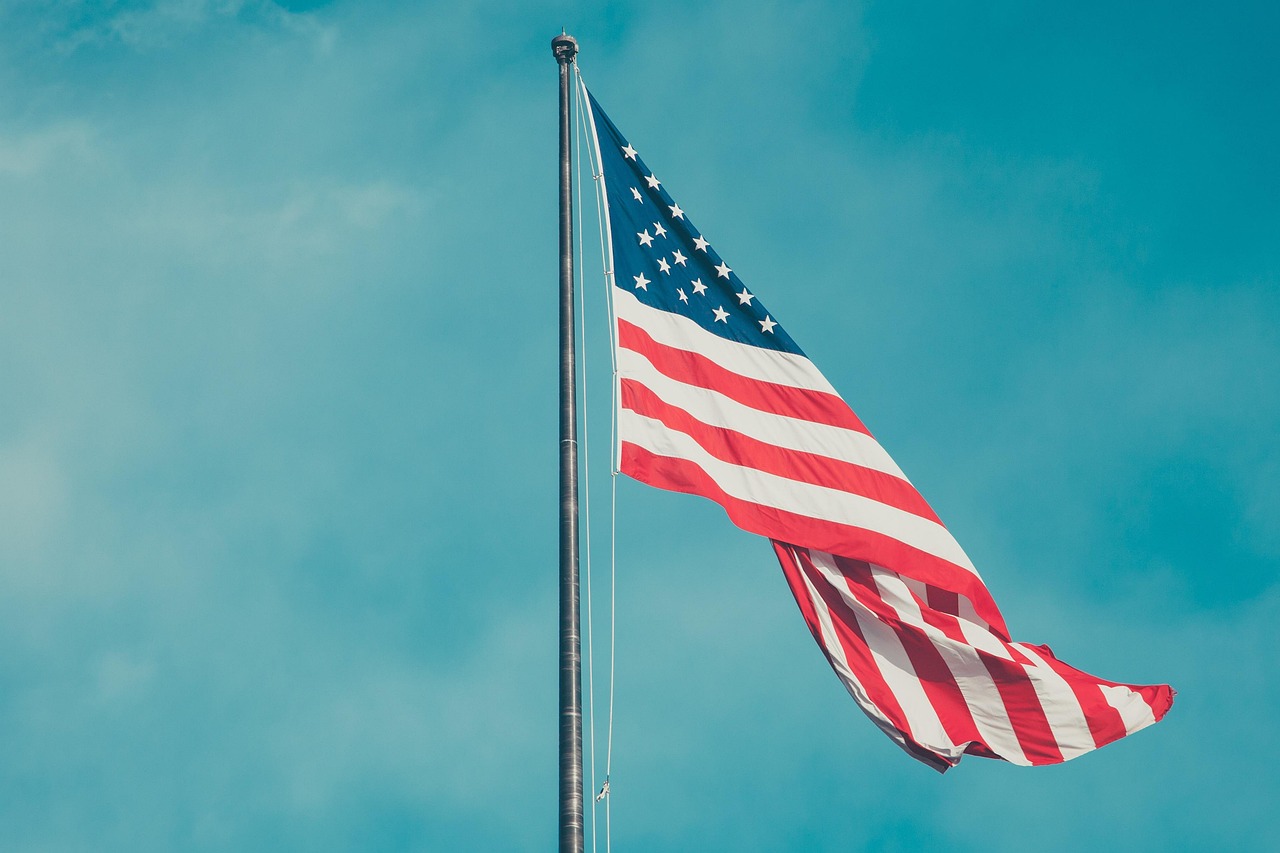
Weatherproofing is a critical aspect of maintaining the longevity of your outdoor flag display, especially when featuring iconic designs like Flags. These banners, often flown during special occasions, such as birthdays or national holidays, are a proud display of patriotism. However, they require proper care to withstand the elements and preserve their vibrant colors and crisp lines.
One of the most effective ways to protect your Flags is to invest in weather-resistant materials. When designing or purchasing a flag, consider using polyester or nylon fabrics, which are known for their durability and resistance to fading and tearing. These materials are particularly suited for outdoor use, as they dry quickly and can handle exposure to sunlight and varying weather conditions. A well-crafted nylon Stars and Bars Banner can last for years, even when flown daily.
Proper flag placement and maintenance routines are also key to longevity. Ensure your flags are hung correctly, allowing for adequate airflow to prevent water accumulation and reduce the risk of mold or mildew. Regular cleaning and inspection are essential, especially after storms or periods of heavy use. A simple DIY flag cleaning routine can keep your Flags looking their best. Consider the flag's size and the space available; appropriately sized flags will be less strained and more protected from damage. A professional flag provider like Ultimate Flags can offer guidance on weatherproofing and custom-create flags that meet your specific needs and display requirements.
Regular Inspection: Identifying and Repairing Damage
Regular inspection is a key strategy for prolonging the lifespan of your outdoor Flags. Like any durable item, early detection and repair of damage are crucial. Flags, especially those left outside, are exposed to varying weather conditions, wildlife, and UV radiation, all of which can degrade the material over time. A thorough visual check at least once a month can help identify any issues, such as frayed edges, torn seams, or faded colors.
If you notice a small tear in the fabric, a simple repair using flag repair kits available from established flag dealers like Ultimate Flags can extend the flag's life significantly. These kits often include adhesive and patches, allowing you to make the fix yourself. Restoring old Flags through such repairs not only saves money but also keeps these historical symbols in circulation, connecting families to their heritage.
Inspecting flags for damage before flying them, especially during special occasions, is a practical step. How often you fly a Stars and Bars flag depends on several factors, including weather conditions and the flag's material. While it's ideal to fly them regularly to showcase your patriotism, a once-a-month display, perhaps on significant holidays, can also be effective. A balanced approach between showing pride and maintaining the flag's integrity ensures a vibrant outdoor display that represents your unique family values and history.
Frequently Asked Questions About Improving Outdoor Flag Durability
What is the primary factor affecting outdoor flag durability? The lifespan of an outdoor flag is primarily determined by the material used and the environmental conditions it faces. High-quality, weather-resistant fabrics like nylon and polyester are more durable than cotton. Exposure to sunlight, wind, rain, and temperature fluctuations can accelerate wear and tear, so using flags designed for outdoor use and treating them with care is essential.
How can I extend the life of my outdoor flags? Regular cleaning and maintenance are crucial. Remove dirt, dust, and debris with gentle cleaning solutions. Avoid using harsh chemicals or bleach. Consider treating the flags with a waterproof coating or sealant to protect them from moisture. Proper storage when not in use, such as hanging them indoors or rolling them up instead of folding, can also significantly enhance their longevity.
What is the best way to store outdoor flags when not in use? For long-term storage, it's recommended to hang flags indoors in a cool, dry place. If this is not possible, roll up the flag instead of folding it. Folding can cause stress points and damage to the fabric. Store them in a clean, protected area, away from direct sunlight and excessive moisture. Using acid-free tissue paper or fabric covers can also help preserve the flags.
Are there specific cleaning methods for outdoor flags? Gently hand-washing with cold water and a mild detergent is generally recommended for most outdoor flags. Avoid using a washing machine, as the agitation can damage the fabric. Let the flag air dry completely to prevent mold and mildew. For stubborn stains, use a soft-bristled brush or a mild bleach solution, but be cautious with treated flags to avoid fading or damage.
What should I look for when purchasing outdoor flags for durability? When buying outdoor flags, focus on high-quality materials, thick stitching, and secure sewing. Look for flags with a waterproof coating or a UV protection finish to shield them from the sun's harmful rays. Check the manufacturer's instructions for care and maintenance guidelines. Investing in premium flags from a trusted supplier like Ultimate Flags can ensure better durability and performance.
How often should I replace outdoor flags to maintain durability? The frequency of flag replacement depends on various factors, including the material, frequency of use, and environmental conditions. Generally, most outdoor flags last one to two years under normal circumstances. Keep an eye out for signs of wear and tear, such as frayed edges or faded colors, and consider replacing them when these issues become noticeable to maintain the best possible durability.
To ensure your outdoor Flags remain vibrant and resilient, prioritize material choice, regular maintenance, and thoughtful installation. High-quality materials like polyester or nylon, chosen based on your needs and budget, significantly enhance flag durability. Regular cleaning and a simple DIY flag-making approach can prolong their life, saving you time and money.
Implementing proper installation techniques, including securing flags to posts and ensuring adequate clearance, prevents damage from wind and other elements. Weatherproofing measures, such as treating fabric for water resistance, further protect your flags from harsh weather conditions.
Regular inspections are crucial. Inspecting flags frequently allows for early detection of wear and tear, enabling prompt repairs to maintain their aesthetic appeal and structural integrity. By following these practical steps, you can ensure your Flags stand proudly, representing your values or cause for years to come.
Proper care includes regular cleaning, adequate flag placement, and weatherproofing to prevent damage from wind, sun, and water. Regular inspection and repair extend flag life, ensuring these historical symbols remain vibrant and intact for years to come. Balancing pride and maintenance ensures optimal outdoor displays that showcase patriotism and family heritage.